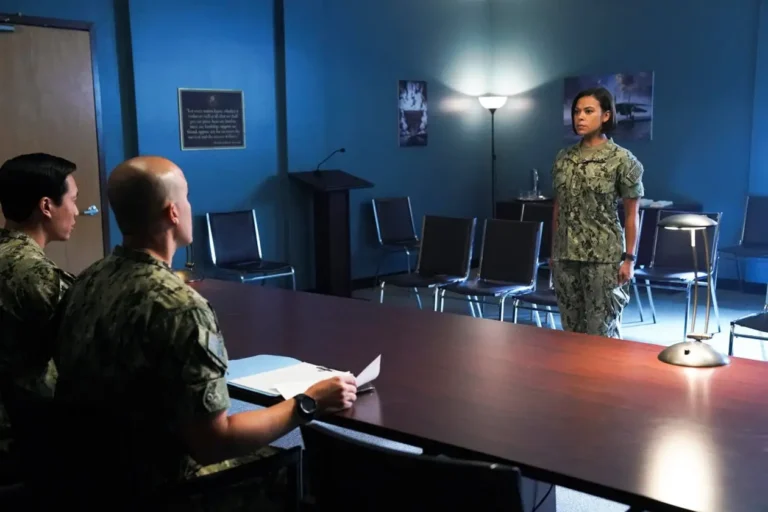
Article 32 Hearing: What Happens in That Room Can Change the Case Before It Ever Reaches Trial
An Article 32 hearing is not a formality. What the defense does in the days before the hearing often decides whether the case goes to

An Article 32 hearing is not a formality. What the defense does in the days before the hearing often decides whether the case goes to
Under the circumstances, the conduct of the accused was either (i) to the prejudice of good order and discipline in the armed forces, (ii) was of a nature to bring discredit upon the armed forces, or (iii) to the prejudice of good order and discipline in the armed forces and of a nature to bring discredit upon the armed forces.
This offense differs from malingering in that the accused need not have harbored a design to avoid the performance of any work, duty, or service that may properly or normally be expected of one in the military service. This offense is characterized by intentional self-injury under such circumstances as prejudice to good order and discipline or discrediting the armed forces.
While most of this article is self-explanatory, this offense does not preempt any other lawful regulations or orders prescribed by a proper authority that proscribe other forms of sexual conduct for compensation by military personnel.
Indecent language is that which is grossly offensive to modesty, decency, or propriety or shocks the moral sense because of its vulgar, filthy, or disgusting nature or its tendency to incite lustful thought. Language is indecent if it tends reasonably to corrupt morals or provoke libidinous thoughts. The language must violate community standards.
Indecent means that form of immorality relating to sexual impurity, which is grossly vulgar, obscene, and repugnant to common decency and tends to excite sexual desire or deprave morals concerning sexual relations.
Negligent homicide is any unlawful homicide that is the result of simple negligence. An intent to kill or injure is not required.
This offense can only be committed by a noncommissioned or petty officer gambling with an enlisted person of a rank less than that of a noncommissioned or petty officer. Gambling by an officer with an enlisted person may be a violation of Article 133
Fraternization in the military is addressed under Article 134 of the UCMJ, also known as the “General Article,” which is a list of prohibited conduct that is of a nature to bring discredit upon the armed forces or is prejudicial to good order and discipline…
Under the circumstances, the conduct of the accused was either (i) to the prejudice of good order and discipline in the armed forces, (ii) was of a nature to bring discredit upon the armed forces, or (iii) to the prejudice of good order and discipline in the armed forces and of a nature to bring discredit upon the armed forces.

While drunkenness is self-explanatory, disorderly conduct is conduct of such a nature to affect the peace of persons who may witness it and be disturbed or provoked to resentment. It includes conduct that endangers public morals or outrages public decency and any contentious or turbulent character disturbance.
Certain disloyal statements by military personnel may not constitute an offense under 18 U.S.C. §§ 2385, 2387, and 2388 but may, under the circumstances, be punishable under this article.